
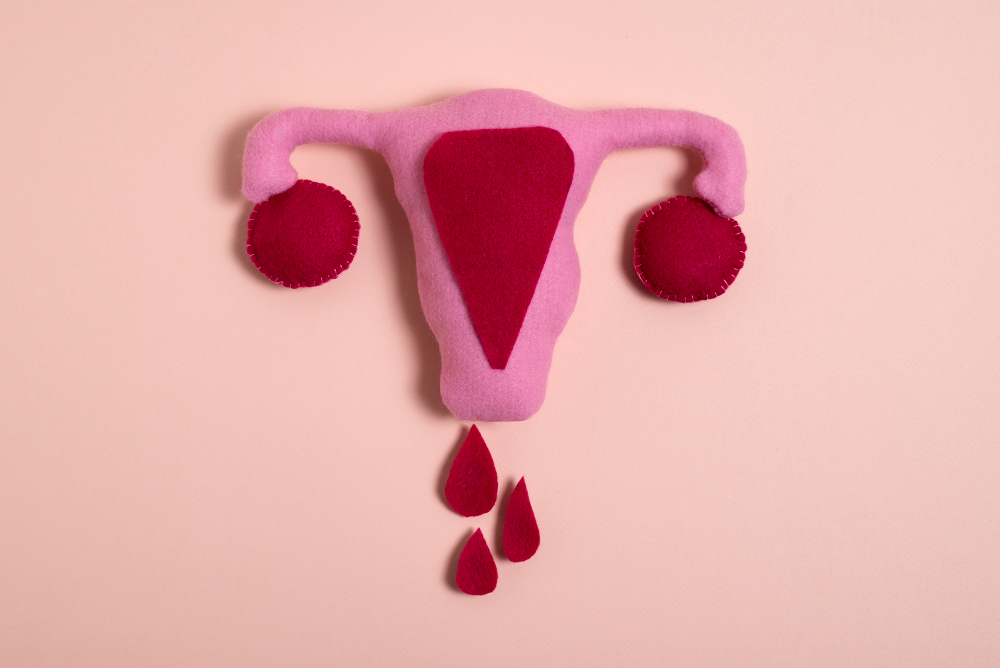
Abnormal uterine bleeding is a common concern for many women. Sometimes, it can be more than just a period problem. In fact, understanding the causes of abnormal uterine bleeding, recognizing symptoms of abnormal uterine bleeding, and knowing about the diagnosis of abnormal uterine bleeding can help you take control of your health. According to the World Health Organization (WHO), many women experience changes in their menstrual cycles at some point in life. However, not all changes are normal.
What Is Abnormal Uterine Bleeding?
Abnormal uterine bleeding means bleeding from the uterus that is not part of a regular period. For example, you might bleed between periods, after sex, or have very heavy or long periods. Sometimes, periods may stop for a few months and then return. While some changes can be normal, others may signal a health issue. The Centers for Disease Control and Prevention (CDC) notes that this problem can affect women of any age.
Common Symptoms
Many women notice changes in their periods from time to time. Yet, certain symptoms may point to abnormal uterine bleeding. For instance, you should watch for:
Additionally, some women may feel tired or weak if they lose too much blood. If you notice these symptoms, it is important to pay attention.
Possible Causes
There are many possible causes of abnormal uterine bleeding. Sometimes, a simple hormone change is the reason. However, other times, it may be due to a medical condition. Common causes include:
Because the causes can vary, it is helpful to track your symptoms and share them with your doctor.
How Doctors Diagnose Abnormal Uterine Bleeding
Doctors use several steps to find the cause of abnormal uterine bleeding. First, they will ask about your medical history. Next, they may perform a physical exam. In many cases, doctors will also recommend tests, such as:
Sometimes, doctors may use other tests if they need more information. Early diagnosis helps guide the best treatment. The American College of Obstetricians and Gynecologists (ACOG) supports these steps for proper care.
Treatment Options
Treatment for abnormal uterine bleeding depends on the cause. For some women, simple changes or watchful waiting may be enough. However, others may need medical treatment. Common options include:
Doctors will discuss the best plan for your needs. According to CDC guidelines, most women respond well to treatment.
Lifestyle Tips for Managing Symptoms
While medical care is important, healthy habits can also help. For example, you can:
Additionally, wearing dark-colored clothing or carrying extra pads can help you feel more comfortable. These tips may make daily life easier while you manage abnormal uterine bleeding.
When to Seek Medical Help
Sometimes, abnormal uterine bleeding needs quick attention. You should contact a doctor if you:
Early care can prevent problems and help you feel better sooner. The CDC recommends seeing a healthcare provider for any unusual bleeding.
Prevention and Risk Reduction
While not all cases can be prevented, some steps may lower your risk. For instance, you can:
By staying informed and proactive, you can help protect your reproductive health. Trusted sources like the WHO and ACOG offer more information on staying healthy.