
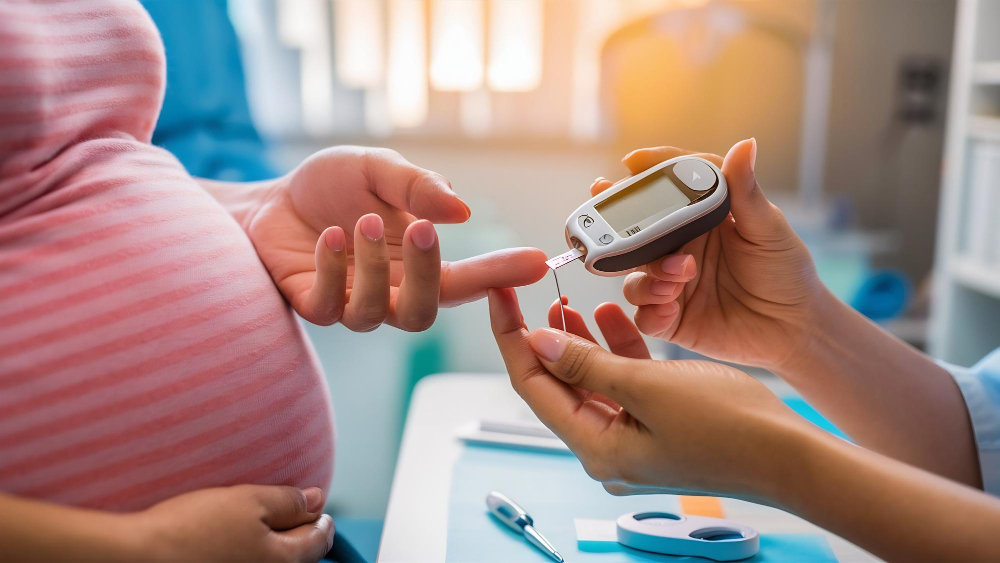
What is Gestational Diabetes?
Gestational diabetes is a type of diabetes that develops during pregnancy. It means your blood sugar levels get too high while you are expecting. Usually, this condition starts in the second half of pregnancy. For many women, gestational diabetes goes away after the baby is born. However, it is important to manage it well. This helps keep both mother and baby healthy. According to the CDC, about 2% to 10% of pregnancies in the United States are affected by gestational diabetes each year. Because it can impact both you and your baby, learning about gestational diabetes in pregnancy is important.
Symptoms and Risk Factors
Often, gestational diabetes does not cause clear symptoms. Still, some women may notice they feel thirstier or need to urinate more often. Sometimes, fatigue or blurred vision can also appear. However, many women only learn they have it after a routine blood test.
Several risk factors can increase your chance of developing gestational diabetes. For example, you may be at higher risk if you:
Because risk factors can add up, your doctor will check for them early in your pregnancy.
How Gestational Diabetes Affects Pregnancy
Gestational diabetes can change how your pregnancy progresses. For instance, high blood sugar can cause problems for both you and your baby. You may have a higher chance of high blood pressure or preeclampsia, which is a serious condition. Additionally, you might need a cesarean section (C-section) if your baby grows too large. Regular checkups help your doctor spot any issues early. With good care, most women with gestational diabetes have healthy pregnancies.
Impact on the Baby
Gestational diabetes can also affect your baby. Because extra sugar crosses the placenta, your baby may grow larger than usual. This condition is called macrosomia. As a result, delivery can be harder and may lead to injuries during birth. Babies born to mothers with gestational diabetes may also have low blood sugar (hypoglycemia) after birth. Sometimes, they can develop breathing problems or jaundice, which is yellowing of the skin and eyes. In rare cases, there is a higher risk of stillbirth. Over time, children born to mothers with gestational diabetes may have a higher risk of obesity or type 2 diabetes later in life. For these reasons, knowing the effects of gestational diabetes on baby is important.
Diagnosis and Monitoring
Doctors usually test for gestational diabetes between 24 and 28 weeks of pregnancy. However, if you have risk factors, your doctor may test you earlier. The most common test is the glucose challenge test. In this test, you drink a sweet liquid, and your blood is checked for sugar levels. If your results are high, you may need a second test called the glucose tolerance test. Once diagnosed, regular monitoring is key. For example, you may need to check your blood sugar at home several times a day. Frequent doctor visits help track your health and your baby’s growth.
Treatment and Management Options
Managing gestational diabetes during pregnancy is important for your health and your baby’s well-being. Treatment often starts with changes in diet and exercise. For many women, eating healthy meals and staying active can control blood sugar. However, some women may need medication or insulin shots if lifestyle changes are not enough. Your doctor will guide you on the best plan. Regular blood sugar checks help you and your care team see how well your treatment is working. With the right care, most women have healthy pregnancies and babies.
Lifestyle Tips for Expectant Mothers
There are many ways to manage gestational diabetes and keep your pregnancy healthy. For example, you can:
Because small changes can make a big difference, it is helpful to work closely with your healthcare team.
Prevention Strategies
While not all cases of gestational diabetes can be prevented, some steps may lower your risk. For instance, you can:
Because early action can help, talk to your doctor if you have concerns about gestational diabetes in pregnancy.